Beyond energy efficiency: the environmental and social impact of sustainable lighting choices
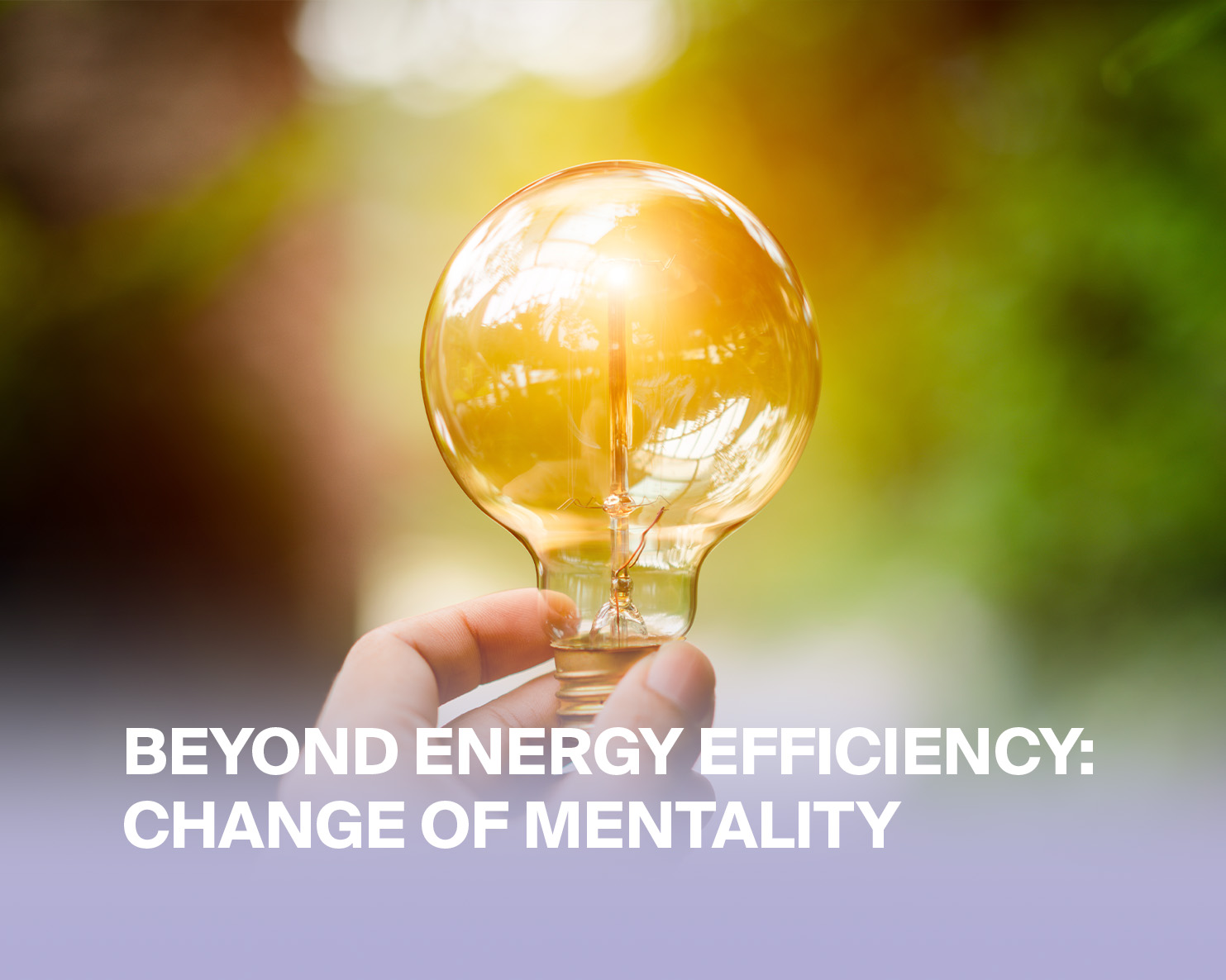
Until fairly recently, the main drive to improve lighting’s footprint was one of cost-saving through lower energy consumption. This has been achieved in part through the widespread introduction of LED lights, which use 90% less energy than traditional incandescent bulbs and last up to 25 years longer.
But as a society, our mentality is changing fr om ‘throwaway’ towards one that values recycling, repurposing and reusing. To support this, all stakeholders need to be invested. The manufacturer, client, designer, contractor, or consumer cannot do it alone; rather, everyone should be working together towards a shared goal.
Lighting manufacturers’ responsibilities
As lighting manufacturers, what is our part in this process? There are five over-arching principles that can be applied if we are to support sustainable practices: using sustainable materials; determining energy efficiency; communicating durability and repairability; adopting modular design to avoid throwing away an entire unit if one element fails; and ensuring that the lighting is recyclable and fits in the circular economy.
We know how to apply these five principles: use LEDs, preferably those made from recycled materials; adopt human centric lighting and smart home systems; and set up easily accessible recycling programmes for components that have reached end of life.
It is essential that we look at the environmental impact, keeping lighting units in use and out of landfill for as long as possible. We can do this by working as an industry to change how we approach lighting components – their design, manufacture, procurement and operation, through to how they are eventually taken apart, reused and remanufactured. This could include exchangeable or replaceable components or those made of recycled/recyclable parts.
To reinforce this point, researchers from the School of Architecture, Design and the Built environment at Nottingham Trent University produced an article to evaluate environmental impacts and to identify the hotspots of an industrial LED lighting products through its whole lifecycle.
It discusses the need to assess the sustainability of products from both environmental and social perspectives. You can , which in conclusion states that, because there are social issues at play as well as environmental factors, sustainable LED lighting products and services need to be developed.
It also recommends that we need to seek opportunities to recommend design initiatives that can improve the product’s overall environmental performance.
The environmental impact of sustainable lighting
Not only do LED lights have an improved energy usage and longer life span than traditional lighting, but they have a myriad of other benefits for the environment too.
Outdoor lighting can affect birds’ migration patterns, and the sleep and hunting patterns of animals and insects. But as well as reducing light pollution.
Adopting human centric lighting, which is used in sync with human behaviour, means a great deal of outdoor light pollution can be reduced.
And solar-powered LED streetlights, that reduce both energy consumption and costs, can lessen the impact of nighttime light pollution.
There is also a place for sustainable materials to be used with lighting solutions. The more we can help to prevent depleting our resources the better.
Glass can come from recycled sources and go on to be recycled again. Bamboo, rattan, cane and jute are rapid growers that can replenish themselves quickly. Rattan and cane come from the palm plant which doesn’t need pesticides or fertiliser to help it grow, its rapid growth means it’s Co2 neutral and it’s recyclable. Local growing communities benefit from such materials’ use and they’re also lighter in weight and therefore require less energy to ship.
Without a doubt, sustainable lighting needs to be a choice we all make. We’re all invested in reducing our own and the planet’s energy consumption, lowering our carbon footprint and generally contributing to a healthier world. Sustainable lighting choices go well beyond form and function and deserve their place firmly in our everyday lives.